Yacht Charter Destinations
From Caribbean paradises to Mediterranean coastlines — expert guides, insider tips, and everything you need for your next sailing adventure.
Handpicked charter locations with expert sailing guides
20 destinations found
 Caribbean
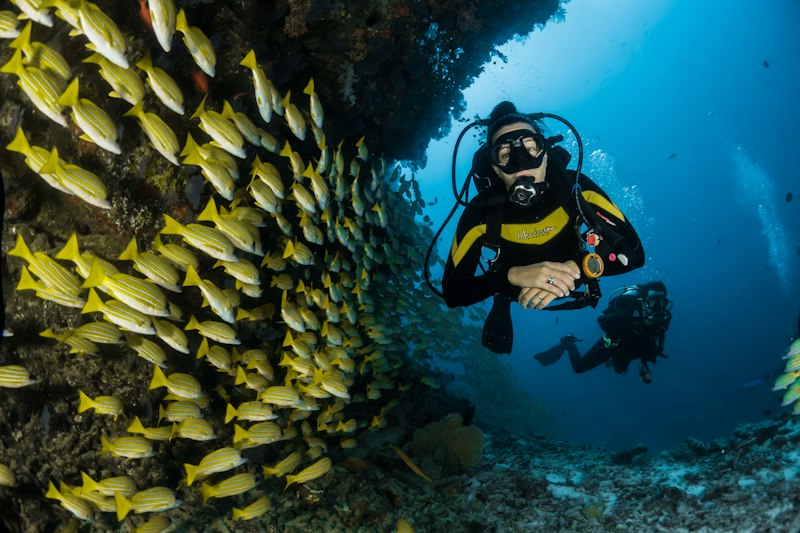
Discover Venezuela's crown jewel — 300+ islands of turquoise waters, white sand, and the Caribbean's best-preserved marine park.
 Caribbean
Venture to one of the Caribbean's most remote islands, a sanctuary for sea turtles and seabirds in the open ocean.
 Caribbean
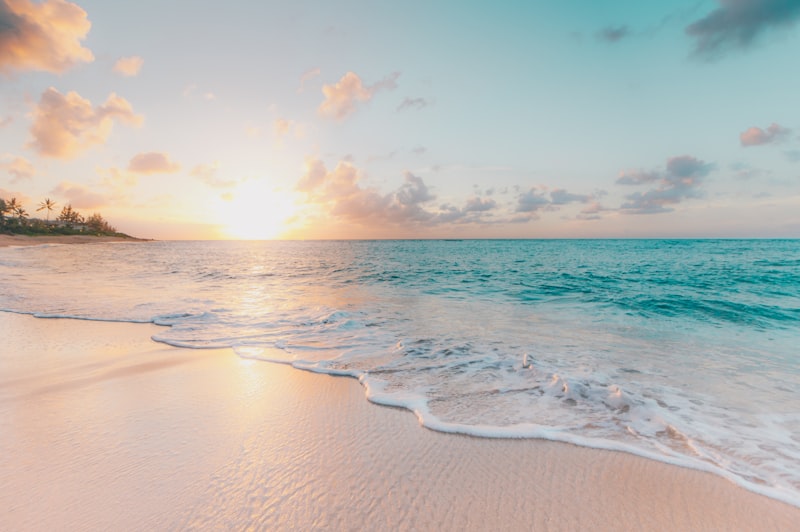
Explore the legendary pirate island with 156 km² of untouched white sand beaches, mangrove lagoons, and crystal-clear waters.
 Caribbean
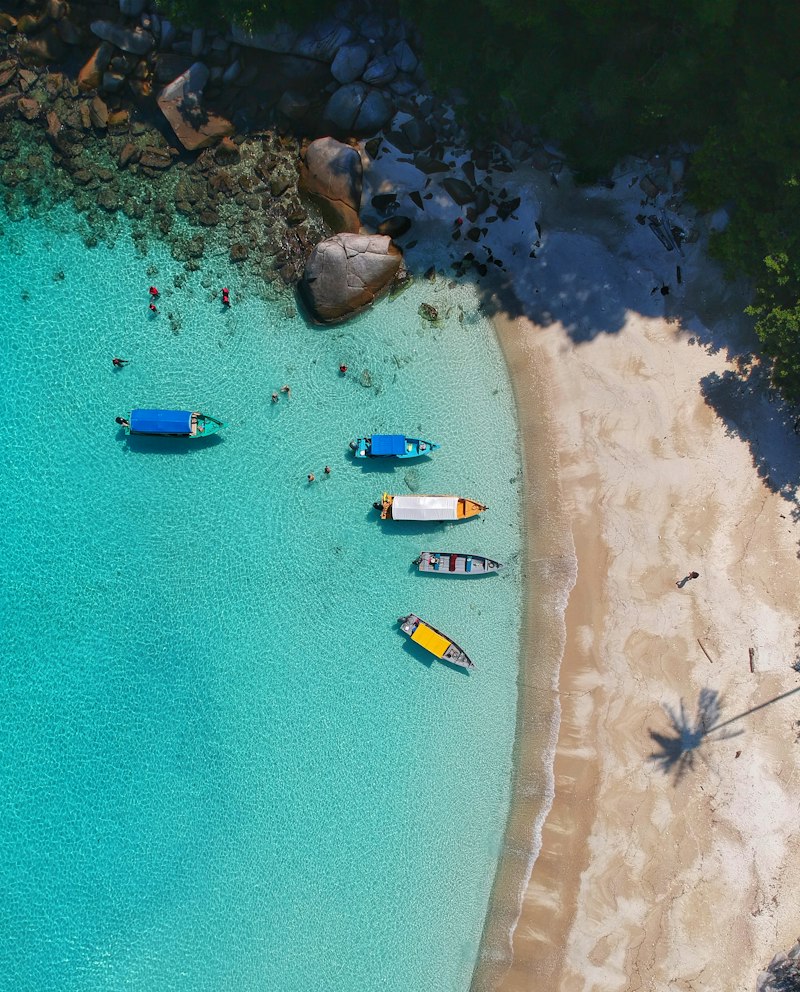
One of Venezuela's most exclusive and restricted islands, offering pristine beauty accessible only with special authorization.
 Caribbean
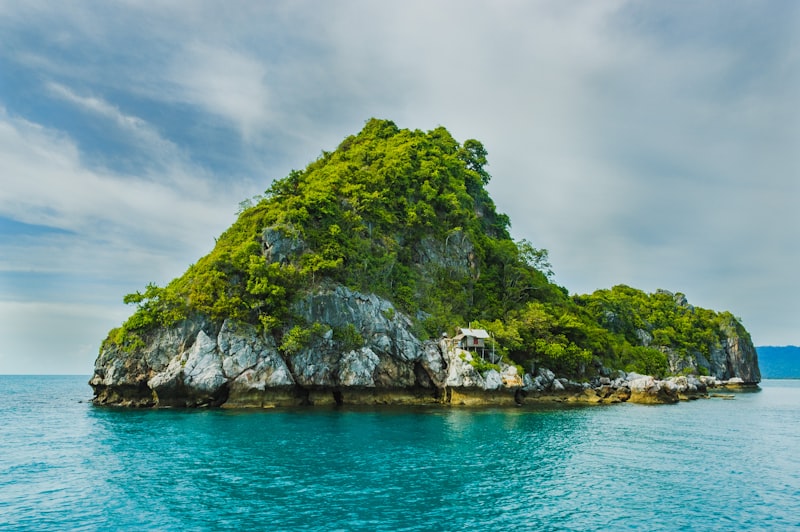
Experience Robinson Crusoe solitude on this uninhabited island with dazzling white sand beaches and pristine snorkeling.
 Caribbean
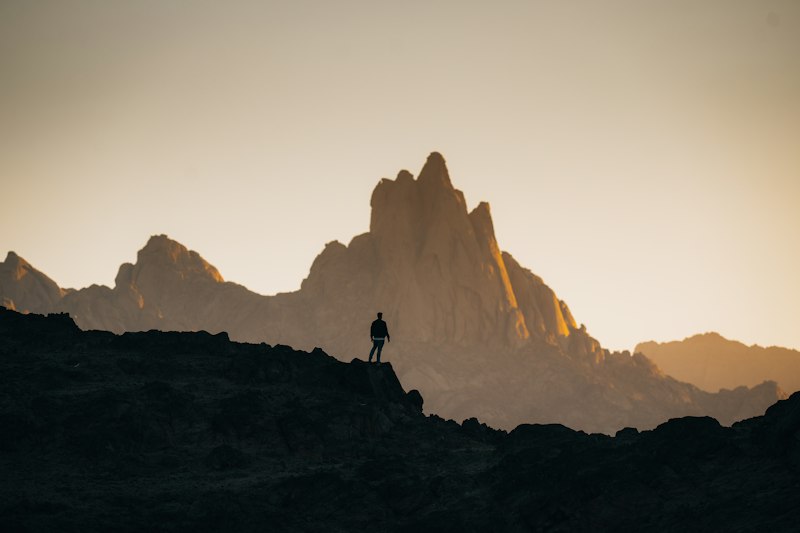
Dive pristine reefs, underwater caves, and coral walls in one of the Caribbean's best-preserved marine parks.
 Caribbean
Los Roques has been named the best fly fishing destination on earth. Wade vast flats stalking bonefish and permit.
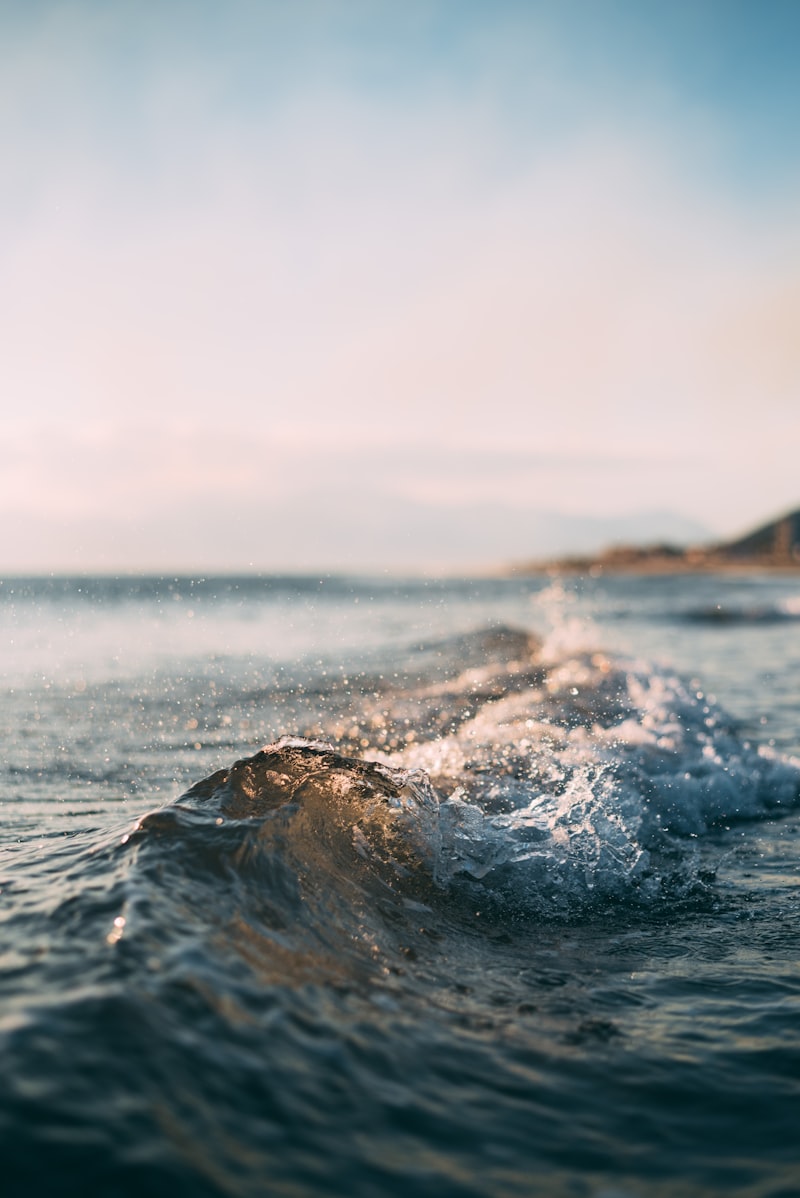 Caribbean
Navigate the Venezuelan archipelago with island distances, coordinates, and recommended sailing routes.
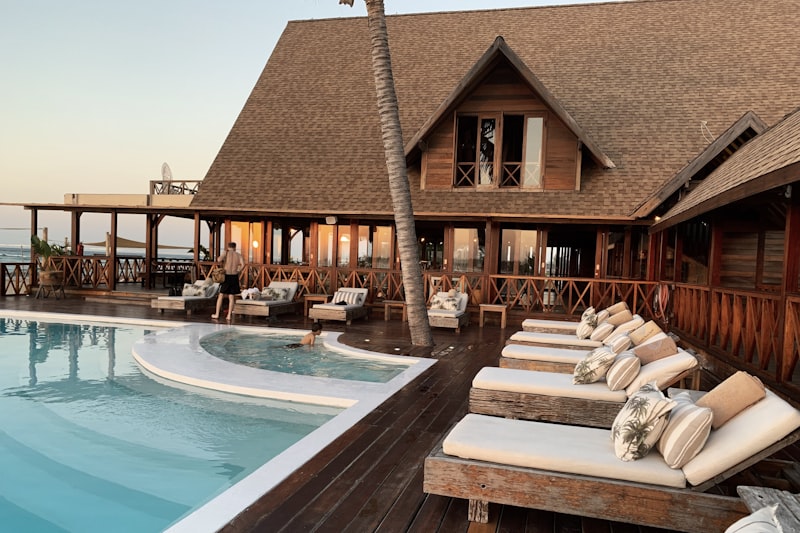 Caribbean
Marinas, airport hotels, and transport options for your Venezuelan yacht charter base.
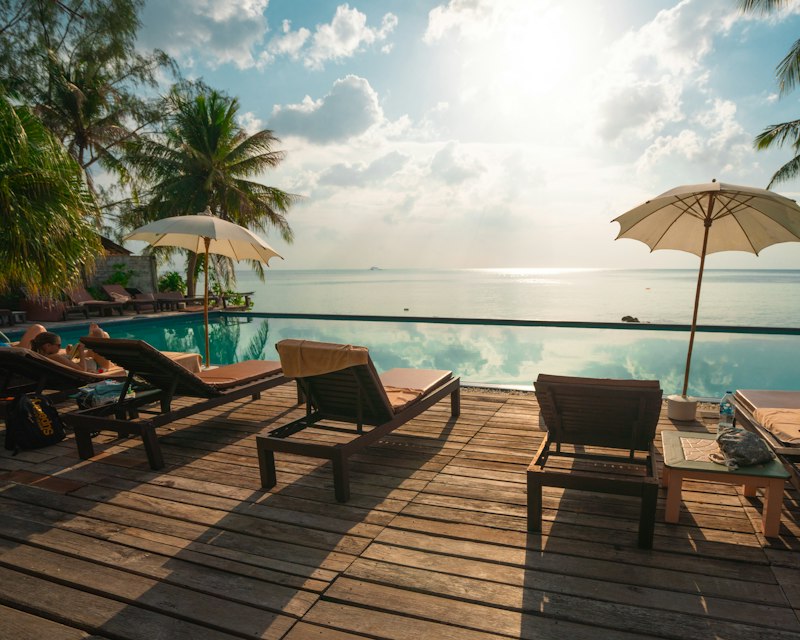 Caribbean
Charming guesthouses on the islands of Los Roques — from budget posadas to boutique waterfront retreats.
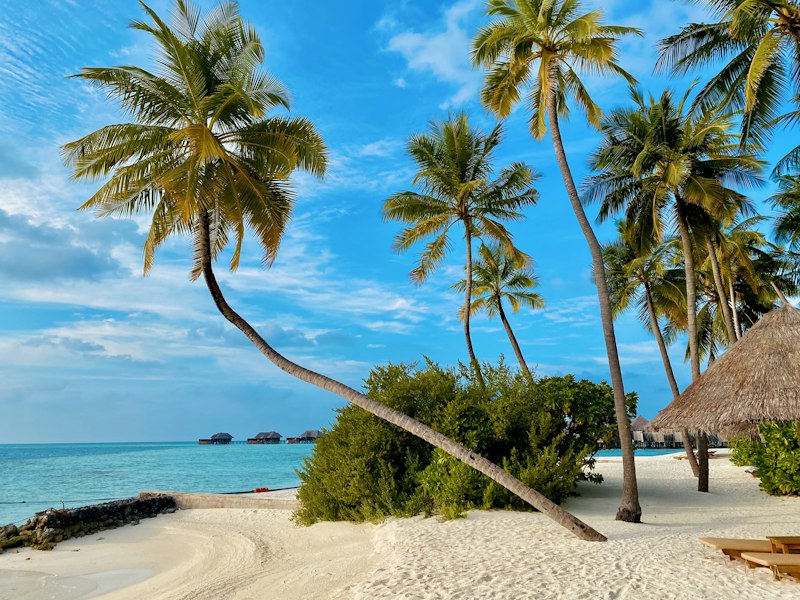 Caribbean
The world's most popular bareboat destination — 60+ islands, steady trade winds, and legendary beach bars.
CaribbeanSight-cast to trophy bonefish on the crystal-clear flats of Los Roques — the bonefish capital of the world.
CaribbeanChase blue marlin, wahoo, and yellowfin tuna in the deep waters off Venezuela's continental shelf.
 Caribbean
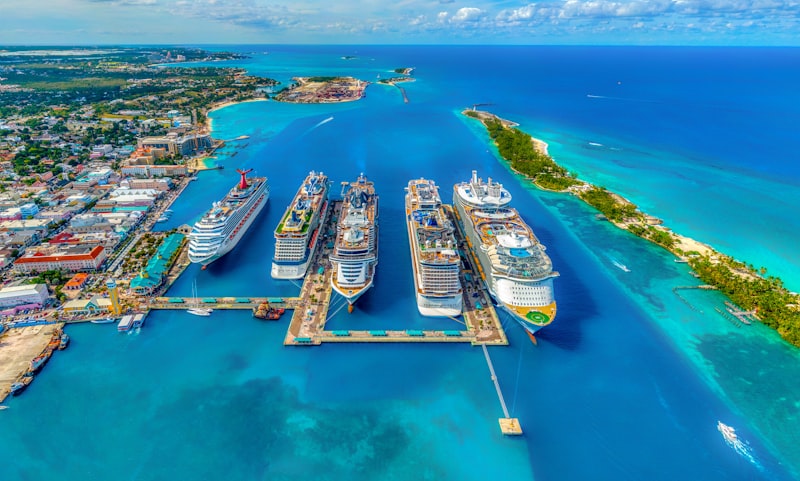
Venezuela's Pearl of the Caribbean — duty-free shopping, colonial fortresses, and sailing from the mainland.
 Caribbean
The Tobago Cays are a cluster of five small uninhabited islands — Petit Rameau, Petit Bateau, Baradal, Jamesby, and Petit Tabac — protected ...
Get destination guides, charter tips, and island discoveries delivered to your inbox every week. Join thousands of sailing enthusiasts.
No spam, ever. Unsubscribe anytime.