Tobago
The sister island of Trinidad, to which she
has been politically and economically tied ever since the final collapse of
her sugar industry in 1888, poor little Tobago languishes in the sun,
wearing the wistful smile of an island that once was prosperous and much
desired by several of Europe's big powers.
In many ways, Tobago (named through some obscure reference to the pipe with
which the natives smoked their tobacco) is an example of the West Indian
islands-that-were, even though the tourist hotels are there.
Many yachtsmen, lulled by the steady breezes that have let them sail down
the island chain in comfortable reaches, think twice before heading out to
still another island that actually requires tacking to reach-and against a
substantial current, too.
Consequently Tobago remains a neglected island so far as yachts are
concerned, but lately it has become the fashion among retired English and
America’s to buy a piece of tropical land and build a house.
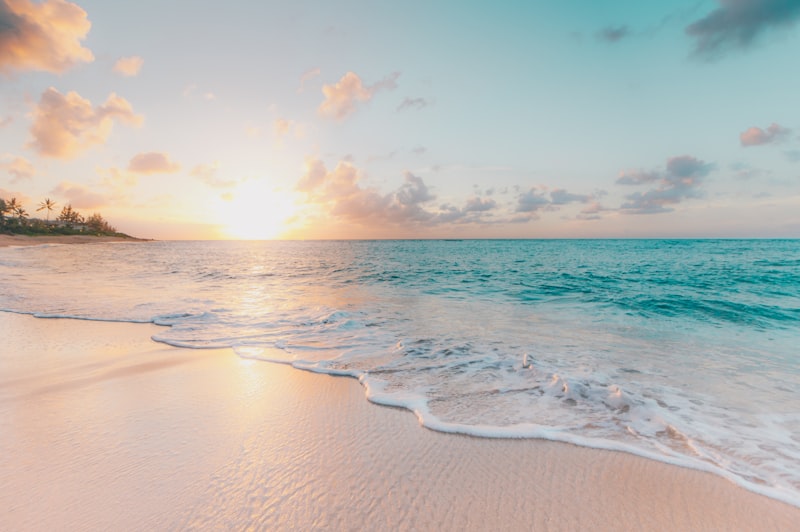
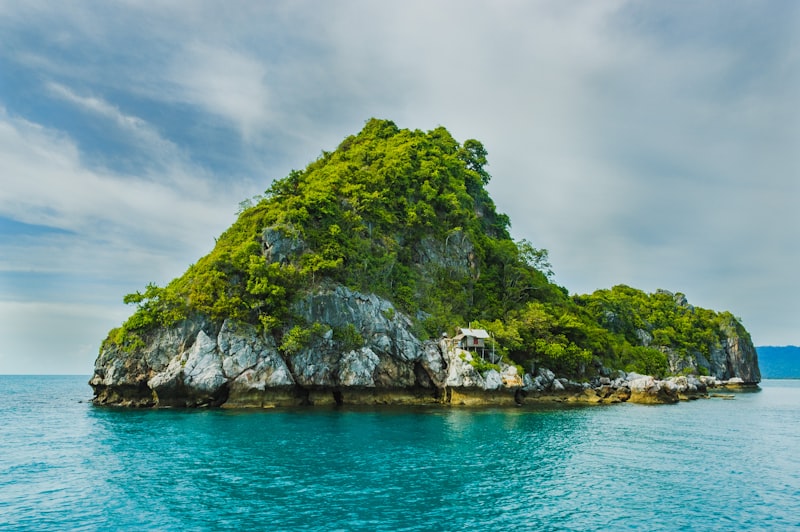
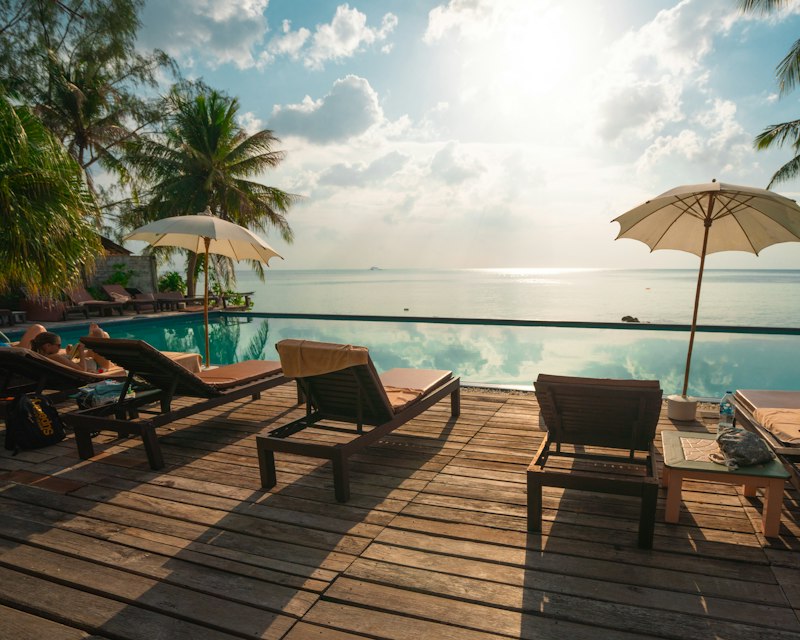
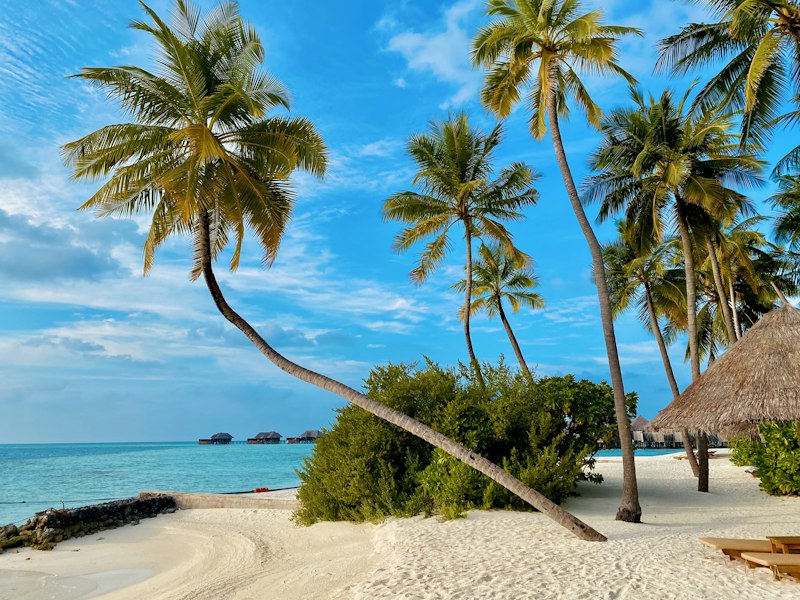
Tobago offers sandy beaches with graceful stands of coconut palms, clear
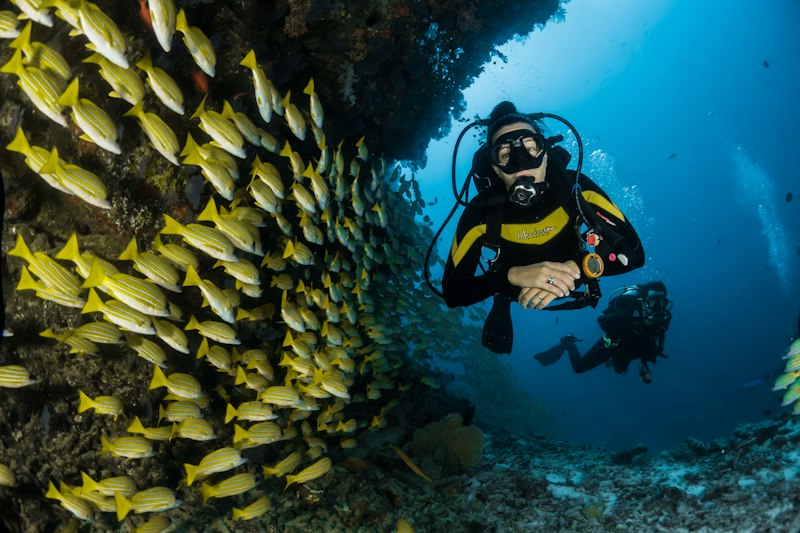
waters, a diving reef to remember, some spectacular rockbound coastal
scenery, and a handful of secure anchorages, each picturesque enough to
hold a yachtsman for a couple of days or so.
Tobago Island is easier to reach from Grenada, about 70 miles northwestward,
than from Trinidad. However, we left Port-of-Spain, Trinidad, at noon and
power-sailed to Las Cuevas Bay, a rolly but protected roadstead midway along
Trinidad's north coast. The next day it took us from 0545 to 1830 to
power-sail the 35 miles against wind and current to Milford Bay on the
southwest comer of Tobago.
If you are approaching from the southwest, the Drew Shoal is so clear that
the bottom can be seen, a welcome relief from the Orinoco river that taints
the waters all around Trinidad.
This area of shoal water is often rough, and depths may be les s than shown
on charts. It is probably best to avoid it.
Only the north shore of Tobago is a practical cruising area, since the
windward side, even when the wind is down, is subject to an incessant ocean
swell, except for King's Bay, near the east end of the island, which is
sufficiently indented to dissipate most of this swell. The beaches on the
windward shore are a dark and unappealing sand, whereas much whiter sand and
clearer water will be found on the northern coast.
The northeastern end of Tobago is mountainous and sparsely settled, and most
of the activity and the resort operations are at the westerly end, which
tapers to a flat plain.
Scarborough
Is the principal town and a rolly anchorage.
With its fishing boats and classic looks it an good example of a forgotten
Caribbean. Anchor among the fishing boats or go to the government dock,
where you may be allowed to lie alongside or moor in Mediterranean fashion.
While in Scarborough, visit the Botanical Gardens that all the former
British colonies have.
It is amazing and nothing like the botanical gardens back home.
Climb the 430-foot heights to Fort George for a panoramic view of town and
countryside spotting Trinidad on a clear day.
Look for the old water tank shaped like a bell and shout into it: "Bell,
tank wants more water," then listen for the results.
In 1801, the old fort was the scene of an interesting subterfuge by a clever
officer of the garrison, who, hearing of a planned revolt by the slaves,
arrested thirty of the leaders and, to the horror of the townspeople
watching from below the walls, summarily hanged them one by one from a
conspicuous gallows. Later, to the immense relief of the owners of these
valuable slaves, it developed that the same man had been hoisted thirty
times to the peak of the gallows.
Milford Bay
Is a far better place to live and anchor than Scarborough.
Anchor anywhere, according to your draft, off the white sand beach between
Sandy and Pigeon Points.
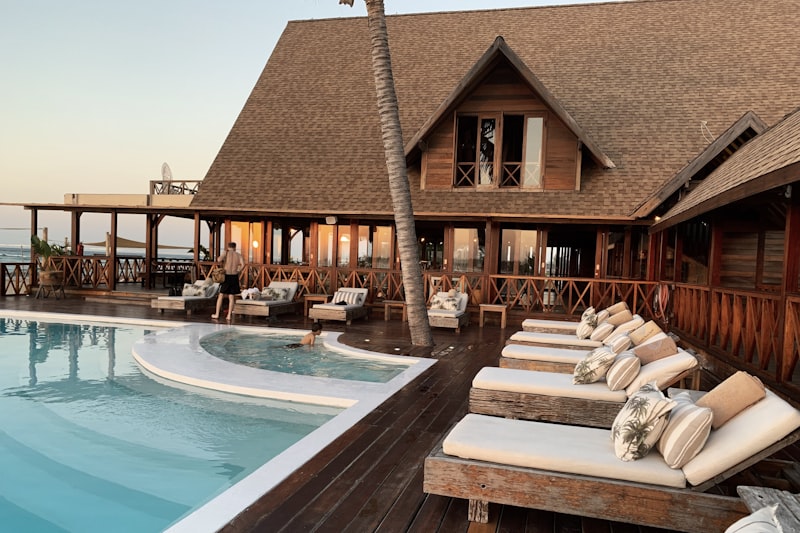
Hotels and shops line the beach in a tranquil way.
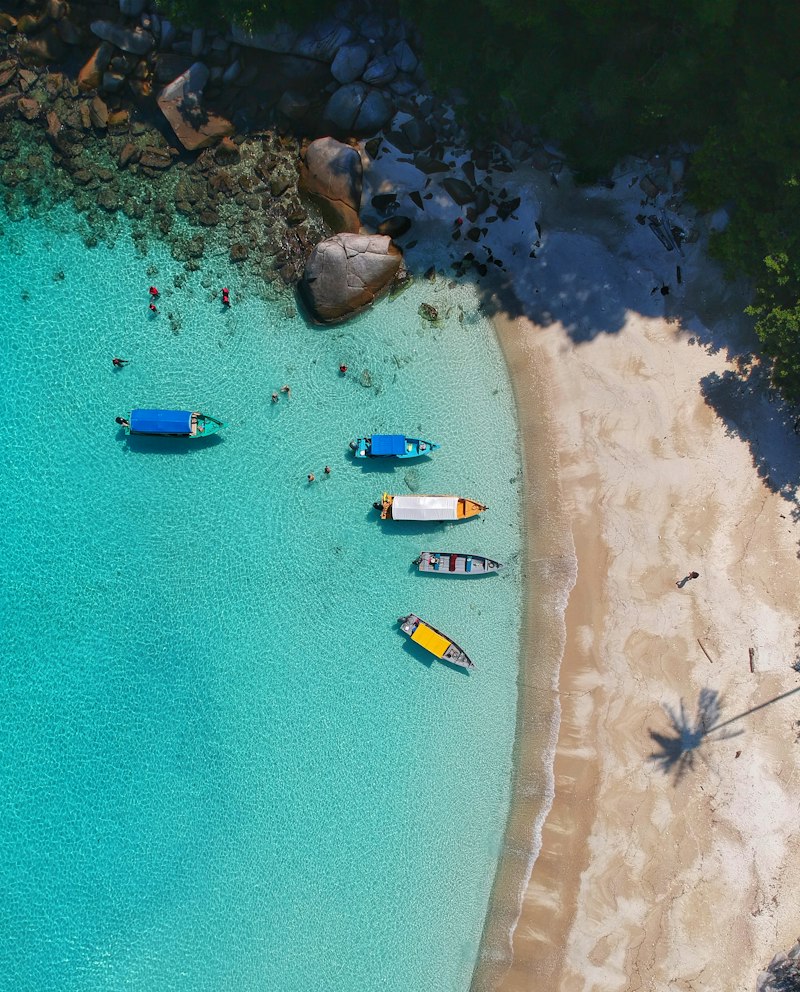
The vivid Turquoise colors of the water inside Buccoo Reef add to the beauty
of the place.
The well-defined reef is constantly breaking, and with some advance
soundings from the dinghy, depth seems to change here, it should be possible
to gain the shelter of this pretty body of water through the more northerly
of the two obvious reef openings. As a present your own private anchorage
with the best from the sea.
Mount Irvine Bay
Provides anchorage anywhere along the reasonably white sand beach. This bay
is readily identified by the conspicuous jagged rock off Booby Point and by
the hotel of the same name as the bay at the place marked "Chy" on the
chart. Expect a low, lazy swell here.
Courtland Bay
Gives you excellent shelter under the high bluffs toward Plymouth town, and
a pleasant anchorage will be found off the Turtle Beach Hotel. The bay gets
its name from the Earl of Pembroke, who was al so the Duke of Courland and
ruled the Baltic principality of that name, now a province of Latvia.
Charles the 1st. of England gave Tobago to the earl in 1628, as a birthday
present (nice present!).
The bluff overlooking the bay is the ruins of Fort James, finished in 1666
and it is the island's oldest fortification.
Not far away is a famous gravestone with an inscription saying:
“Within these Walls are Deposited the Bodies of Betty Steven and child. She
was the beloved wife of Alex B. Steven who to the end of his days will
deplore her Death which happened upon the 25th day of November, 1783, in the
23rd year of her Age. What was remarkable of her, she was a mother without
knowing it and a wife without letting her husband know it, except by her
kind indulgences to him”.
A household slave and planter's mistress with unborn child?
The conjectures go on and on, but no one really knows.
Man of War Bay
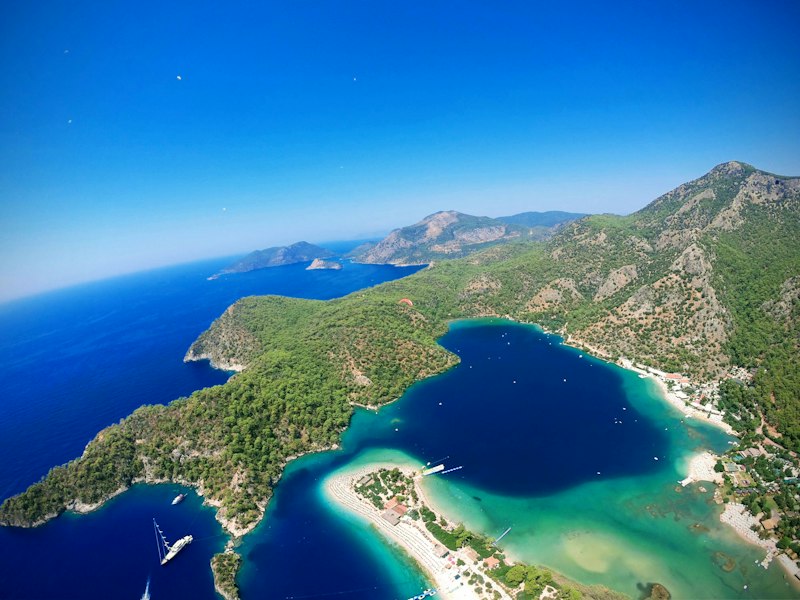
At the NE corner of the island is enclosed by precipitous hills and a
curving beach. It is an exceptionally delightful anchorage during the summer
months.
People of Charlottesville are friendly as elsewhere in Tobago.
As you are rounding the comer of the island amidst the tide rips, it is best
to stay outside the Saint Giles and Marble islands and avoid the awash rocks
and Man of War Bay, northeast end of Tobago swift current that sluices
between Saint Giles and the mainland.
Though the anchoring possibilities in the vicinity of Tyrell's Bay looks
promising on the chart, local sailors warn of difficult winds, seas, and
currents here.
Anse Bateau is the best choice.
If you want to visit the wildlife refuge on Little Tobago Island, home of
the birds of paradise introduced from the Aru Islands of Indonesia in 1909,
we suggest anchoring in King's Bay and coming back 3 1/2 miles by dinghy.
This bird paradise is now again open for the public and is defiantly worth
half a day. This wildlife refuge It is owned by the Trinidad and Tobago
government and is closed on public holidays.
King's Bay
Surrounded by high hills, and a brook of clear water spills into the cove
through a coconut grove.
Lieutenant-Governor Alexander Brown, the first British governor of Tobago,
landed on the beach here in 1764 and reviewed a guard of honor.
Picture that ceremonial event as you stand into this anchorage in the NE
comer af the bay.
This bay it is cool and perfectly safe unless the wind is blowing hard from
the south.
Prince's Bay
Good shelter from the wind up in the NE comer, but the swell makes it
sometimes uncomfortable, and the rather squalid village of Roxborough
doesn't enhance the surroundings.
Nearby King's Bay is a much better choice and worth it’s name.
We
can arrange a 2 week crewed charter cruising trough the Eastern Caribbean Islands
onboard the sailboat
Camiguana with capacity for 6 persons including:
Captain and cook and all meals with open bar. The price is $185 per person a
day with a minimum of 4 persons. For more information please contact us:
hunter44@explore-yachts.com